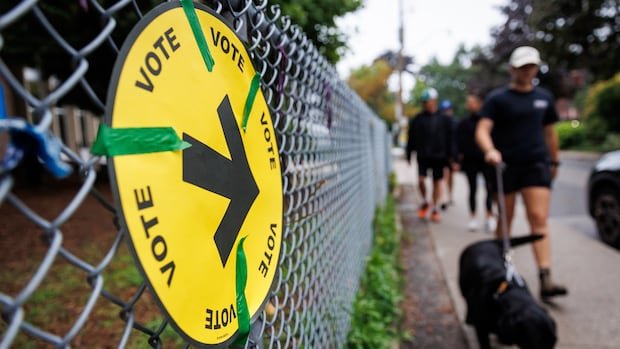


The Liberal Party is celebrating three byelection victories, marking a successful night for Prime Minister Mark Carney’s party. Despite these wins, there are still vacant seats awaiting elections, providing a future indicator of voter sentiment. The Liberals secured over 50% of the vote in each of the ridings up for grabs in Ontario, British Columbia, and Quebec.
Following the victories, Prime Minister Carney highlighted the support from Canadians for the government’s approach, emphasizing national unity. Political analyst Lori Turnbull noted that the wins in North Vancouver-Capilano and Beaches-East York were expected due to their strong Liberal leanings. However, the victory in Chicoutimi-Le Fjord was seen as an endorsement of Carney’s handling of the trade dispute with the U.S.
With six byelections on the horizon due to recent resignations, the political landscape is set to shift. The Liberals are poised to maintain their existing seats and potentially gain more, as per analyst Éric Grenier. The upcoming contests, including in Brock’s Ontario riding and Boulerice’s former riding, are expected to be closely watched battlegrounds.
The strategic planning of byelections, including the exclusion of Saint-Hyacinthe-Bagot-Acton, has implications for campaign spending and party dynamics. The Liberals’ targeted approach and financial advantage have raised questions about the Bloc Québécois’ stronghold and the overall competitiveness of future races. Carney’s calculated decisions in byelection scheduling may shape the political climate in the coming months.
As the electoral landscape evolves, parties are gearing up for intense campaigning and jockeying for advantage in key ridings. The timing and outcomes of the upcoming byelections will play a crucial role in determining the political direction and balance of power in Canada.