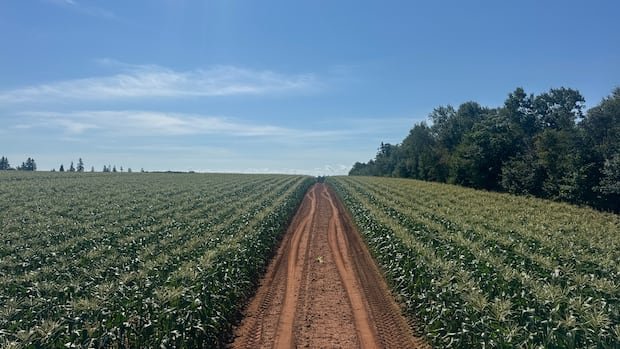


Prince Edward Island’s corn season is making up for a slow start due to a chilly spring, coinciding with the arrival of competitively priced corn from Quebec in local stores. Matthew Compton, the owner of Compton’s Farm Market in Summerside, noted that the colder-than-usual May and June delayed the sweet corn harvest but did not alter his planting quantities. According to Compton, corn thrives in warm soil and temperatures, necessitating optimal conditions for growth. To expedite crop readiness, Compton utilized clear, biodegradable plastic to create a greenhouse effect, accelerating the germination and growth of the corn.
Despite the challenges, Compton expressed satisfaction with the quality and flavor of the corn, attributing it to timely rainfall and warmth. However, he mentioned that his primary sweet corn crop is slightly lagging behind his preferred schedule, emphasizing the importance of timing in meeting the peak demand during midsummer when tourists flock to the island and families engage in outdoor activities like campfires and barbecues. Similarly, Mark Verleun of Keddy’s Corn in Montague highlighted the adverse impact of the cold and wet spring on their corn planting, which has since shown improvement as the weather became more favorable in early July.
Looking ahead, Verleun anticipates opening for the season soon, aiming to sustain corn availability until October 1, contingent on fall frost conditions. Both farmers are closely monitoring the situation in Quebec, where a surplus of sweet corn has led to lower prices, impacting local market dynamics. Compton acknowledged the competitive pressure from Quebec’s abundant corn supply, which can drive down prices in the Maritimes, prompting local farmers to maintain price stability to remain competitive.
While Compton and Verleun have kept their prices consistent, they recognize the challenge of maintaining market share amidst cheaper alternatives. Compton urged consumers to support local farmers by choosing their produce, even if it comes at a slightly higher cost, emphasizing the positive economic impact on the community. Verleun echoed this sentiment, emphasizing the importance of balancing affordability with sustainable support for local agriculture.