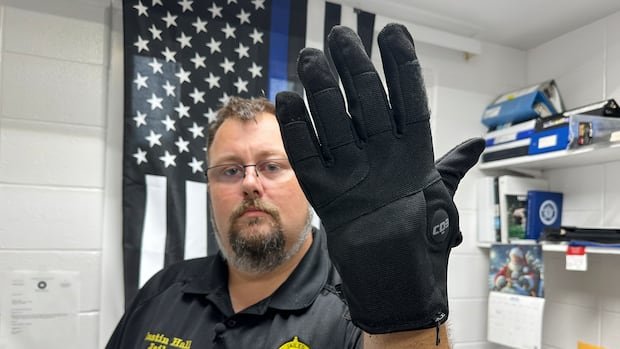


The U.S. Immigration and Customs Enforcement (ICE) has approved a $16.7 million contract for the procurement of 6,000 pairs of electric shock gloves to aid officers in managing resistant detainees and protesters. Despite objections from civil rights advocates and Democratic lawmakers, ICE proceeded with the purchase, citing the necessity for such devices. The contract, awarded to Compliant Technologies LLC, a Kentucky-based company, encompasses the acquisition of the gloves and related equipment and services within the next six months.
Critics have raised concerns about ICE’s use of force and lack of oversight, particularly during the Trump administration’s immigration enforcement efforts. Recent incidents involving ICE and Customs and Border Protection (CBP) have resulted in fatalities, prompting calls for reform within the agencies. Following public scrutiny, ICE scaled back high-profile deportation operations in response to public backlash over violent incidents involving ICE officers.
The decision to procure the electric shock gloves drew immediate backlash, with Democratic Senator Catherine Cortez Masto and other senators urging ICE to reconsider the purchase. Expressing doubt about the agency’s ability to responsibly deploy the devices, the senators emphasized the potential misuse of force and the lack of clear guidelines for their use.
The gloves function as standard patrol gloves until activated to deliver an electric shock upon contact with the skin, intended to induce compliance in resisting individuals. ICE intends to deploy these devices in situations of heightened tension, such as arrests, detainee transport, and managing civil disturbances. The agency highlighted the gloves’ utility in controlling detainees, preventing aggression or escape attempts, and facilitating crowd control, aiming to minimize the need for more severe measures like firearms.
While ICE asserts that the gloves will be used in accordance with established policies, training protocols, and accountability standards, critics remain wary of the risks associated with their deployment. The Department of Homeland Security, ICE’s overseeing body, defended the purchase, denouncing critics and framing the acquisition as essential for officer safety and operational effectiveness.
This procurement represents the latest in a series of no-bid contracts issued by the Trump administration, drawing scrutiny for its lack of competitive bidding processes. Similar contracts have been criticized for various government purchases, including aircraft, detention facilities, and infrastructure projects.