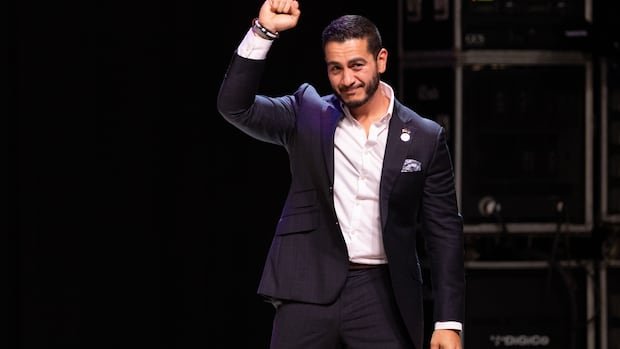


Abdul El-Sayed’s triumph in the Democratic Senate primary in Michigan is being hailed as a significant victory for the party’s progressive faction. In a closely watched contest in the crucial swing state, the former public health official emerged victorious despite having a smaller campaign budget compared to Haley Stevens, a more moderate contender whose campaign received over $60 million in support.
El-Sayed’s win adds to a series of victories by Democratic socialist and leftist candidates in primary elections. Recently, Peggy Flanagan, a progressive, secured the Democratic Senate primary in Minnesota. However, there are doubts among some political analysts about whether these wins will translate into success in the upcoming midterm elections.
The outcomes of these primaries raise questions about the future direction of the Democratic Party and its potential presidential candidate for 2028. In a recent podcast discussion, Washington correspondent Katie Simpson, along with Front Burner host Jayme Poisson and Bloomberg senior White House reporter Josh Wingrove, shared insights on the evolving landscape of the party.
The debate within the Democratic Party revolves around the balance between progressive and centrist approaches, particularly on cultural, social, and policy issues. While the progressive wing has gained momentum and support, questions linger about their ability to secure sufficient votes in key states. The ongoing political dynamics reflect a familiar pattern reminiscent of past elections, with notable figures like Alexandria Ocasio-Cortez and Bernie Sanders shaping the narrative.
As the party navigates through internal debates and strategic shifts, the upcoming elections are poised to showcase a diverse array of candidates, including progressive voices alongside more traditional contenders. The emergence of younger candidates in states like Michigan signals a potential shift towards a new generation of leadership within the Democratic Party.