

Tory Prime Minister Margaret Thatcher expressed confidence in the success of privatizing the water industry. The outcome has indeed been favorable for a select few companies that capitalized on the privatization wave. However, for the majority of citizens supporting a heavily indebted industry and witnessing once pristine water bodies turning into polluted streams, the privatization has been nothing short of a disaster.
It is worth noting that England and Wales stand out as one of the few nations globally where the entire water sector remains under private ownership. Many countries understand the significance of not commercializing ownership of such a vital resource essential for life without prioritizing profits.
Presently, the water industry grapples with the repercussions of years of inadequate investment, burdening many within the sector. Despite the dedicated efforts of water industry personnel, including engineers and customer service representatives, the industry faces a staggering debt of £82.7 billion as of last April, marking a significant increase within a year.
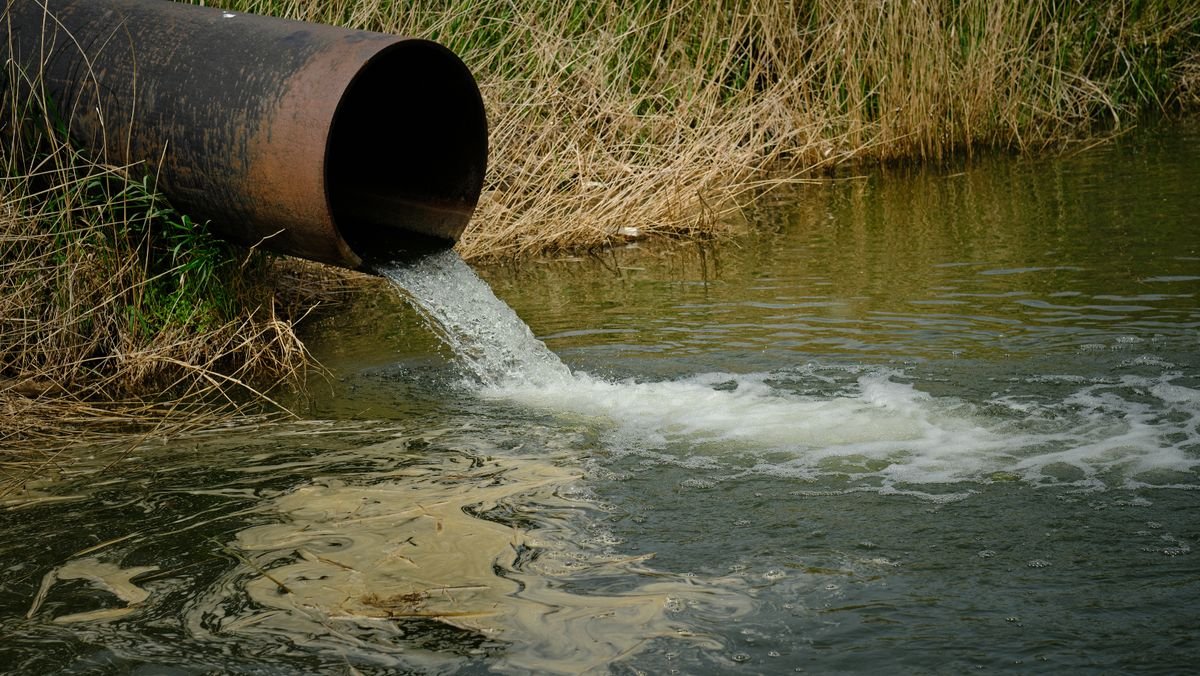
In 2023, the privatised water companies in England released raw sewage for a total of 3.6 million hours, more than double the previous year’s figure. Leading supplier Thames Water has teetered on the brink of collapse, with no major reservoir constructed in England since 1992. The persistent rainfall this year contrasts starkly with anticipated summer water scarcity warnings like hosepipe bans.
The portrayal in Channel 4’s new drama, Dirty Business, reflects a grim reality where polluted waterways prompt communities to rethink their relationship with local rivers, once cherished for recreational activities. The community’s disillusionment is evident as water companies continue to compromise water quality by releasing sewage into rivers due to failing infrastructure.
The failure of water privatization looms large, prompting a critical examination of potentially reverting parts of the industry to public ownership. Following the lead of other nations like the US, Spain, and France, cities have opted to reclaim control over water services, underscoring the need to reassess and rectify the shortcomings of the current privatization model.