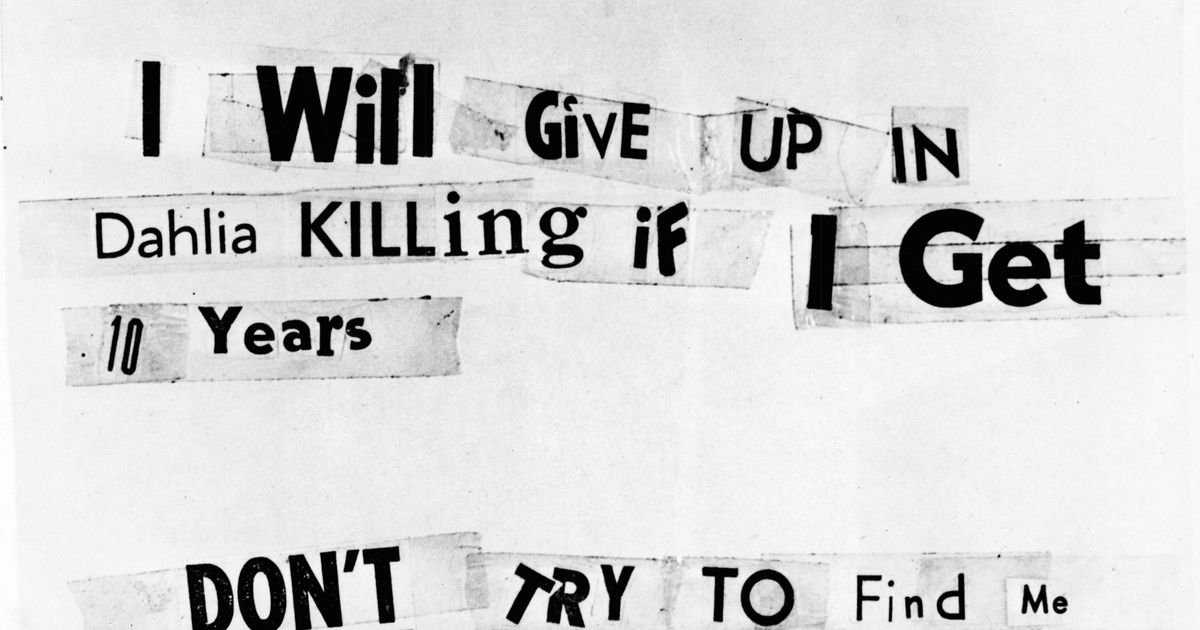


Seventy-nine years ago, on January 15, a shocking discovery in Los Angeles captivated the nation, leading to a wave of creative works inspired by the event. The incident, which remains unsolved to this day, stands out in U.S. history for its extreme violence and the ominous letters sent to media outlets following the gruesome discovery.
The incident occurred on January 15, 1947, when a passerby stumbled upon a gruesome scene in the Leimert Park neighborhood of Los Angeles. The individual found a woman’s body, savagely cut in half, drained of blood, meticulously cleaned, and posed in a disturbing manner. The victim, later identified as Elizabeth Short, had been mutilated with precision, including facial lacerations known as a “Glasgow smile,” and removal of flesh from her body. Autopsy results indicated signs of binding and a violent death.
Short’s death was attributed to hemorrhaging from facial injuries and repeated blows to her head and face. The killer, displaying advanced knowledge of anatomy, performed a sophisticated body dissection technique post-mortem. Evidence suggested pre-death injuries and potential sexual assault, although tests for sexual evidence came back negative.
Following the discovery, a massive investigation involving over 750 officers, 400 sheriff’s deputies, and 250 California State Patrol personnel was launched. Despite interrogating numerous individuals, including those connected to Short, no charges were filed due to lack of conclusive evidence.
The sensational case garnered widespread attention, with media outlets sensationalizing the victim’s life, dubbing her the “Black Dahlia.” Journalists went to extreme lengths, even contacting Short’s mother under false pretenses. Letters purportedly from the killer were sent to the press, including personal items of the victim, but the perpetrator never surfaced.
Despite exhaustive efforts, the investigation hit a dead end, leading to criticism of the LAPD’s handling of the case. Short was laid to rest in Oakland, California, and her story influenced legislative changes regarding sex offender registries. Her tragic tale has been immortalized in various forms of media, including novels, films, and TV shows.
The legacy of Elizabeth Short, known as the Black Dahlia, continues to intrigue true crime enthusiasts and remains a significant cultural reference point for post-war Los Angeles crime narratives.