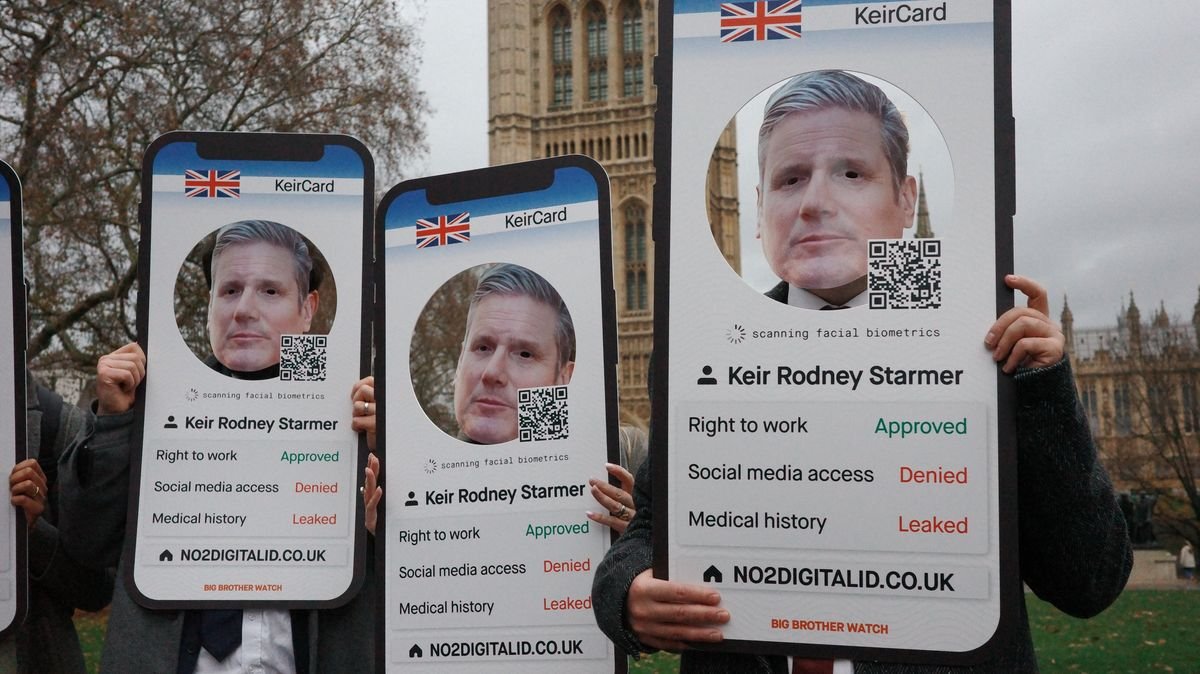


After facing significant criticism for weeks, the Government has reversed its stance on digital ID measures, opting for a more lenient approach. Labour minister Heidi Alexander announced that digital ID or other electronic documents, like biometric passport chips, would now suffice for right-to-work verifications, contrary to the previous requirement of a new identification card for UK employment.
Emphasizing the gradual nature of the transition, Ms. Alexander stated, “Change will be gradual, but we are moving forward.” Regarding the shift away from digital ID, she explained to Sky News, “We remain dedicated to enforcing mandatory digital right-to-work checks. This could involve individuals using the government-provided digital ID on their phones or verifying their work eligibility through a biometric chip in a passport, digitally.”
Furthermore, Chancellor Rachel Reeves expressed a flexible stance on the acceptable forms of digital documentation for proving the right to work. She clarified on BBC Breakfast, “Regarding digital ID, there may have been some exaggeration. We are stipulating the necessity of digital ID for working in the UK, whether in the form of a digital ID card, e-visa, or e-passport; we are open to various formats.”
While initial support for digital ID cards declined from 35% to -14% after Mr. Starmer’s announcement of their introduction, Keir Starmer affirmed his commitment to proceed with the controversial plans. The Prime Minister aimed to shift public opinion by highlighting the benefits, such as using digital ID for age verification or simplifying administrative processes for students seeking accommodation at universities.
However, concerns were raised by lawmakers and activists regarding civil liberties, government surveillance, and data privacy implications. In November, it was asserted that the Government’s digital ID strategy had encountered irreparable setbacks, with doubts raised over its true intentions and long-term viability.
A forthcoming consultation will be launched to gather feedback on the proposed digital ID cards initiative. These digital IDs, accessible via the GOV.UK wallet app on smartphones, will streamline the verification process for employers and landlords, confirming an individual’s right to reside and work in the UK by cross-referencing against a central database of authorized residents.