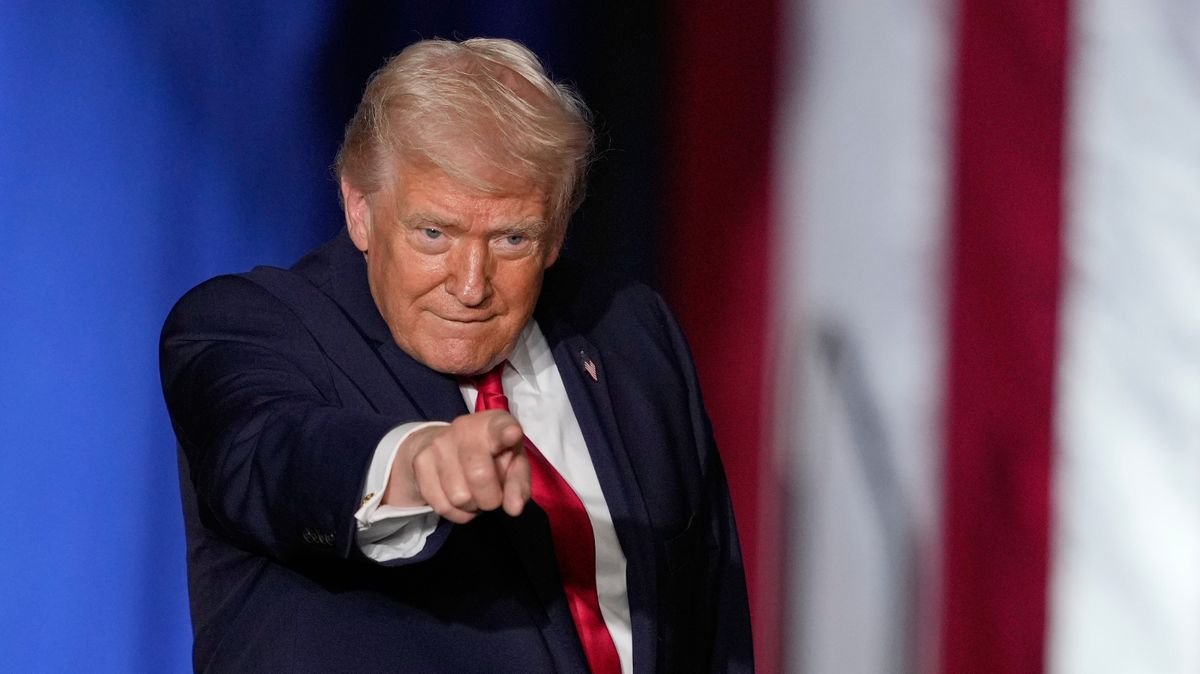


President Donald Trump is facing increasing challenges and uncertainties as his second term progresses. Therapists are expressing concerns over his unpredictable behavior amid the release of new Epstein files, including a complaint alleging Trump raped a 13-year-old girl in 1994. The accuser, known as Jane Doe, filed lawsuits in 2016 but withdrew them before the election. Trump has denied the allegations, calling them fabrications.
While Trump has a history of polarizing actions, even his supporters are voicing dissatisfaction with broken promises and economic woes. Recent events, including ICE-related deaths, have strained his relationship with his base. During a rally in Iowa, a traditionally loyal stronghold, Trump faced heckling and criticism, indicating a shift in sentiment towards his leadership.
Trump’s communication style, characterized by misinformation and disrespect, has drawn criticism from experts who see signs of narcissism. Concerns have been raised about his mental state, with European leaders expressing unease over his behavior. As Trump faces public challenges and loss of support, experts warn of potential escalation and defensive responses rather than introspection or accountability.
As Trump grapples with these challenges, questions arise about his ability to reflect on his actions and make amends. However, experts caution that his narcissistic tendencies may lead to further aggression, blame-shifting, and authoritarian behavior in response to threats to his status. The ongoing scrutiny of Trump’s leadership underscores the potential consequences of his unchecked behaviors on a global scale.