

Modern political movements heavily rely on social media platforms such as Instagram and Tiktok for their success or downfall.
A notable instance of this phenomenon was observed during the recent New York Mayoral election. Despite being an Irish woman residing in London, my Instagram feed was inundated with updates on Zohran Mamdani’s successful mayoral campaign in New York City.
The power of hope and hate to influence public opinion spreads rapidly through social media channels. Nigel Farage, a skilled communicator, adeptly packages divisive messages into easily shareable soundbites for his followers.
According to a report by the charity Demos titled “Inside the mind of a 16-year-old,” based on workshops involving over 700 young individuals across the UK, mainstream politicians are struggling to effectively engage with the youth. Nigel Farage, while not universally liked, garners admiration for his adept use of social media and straightforward communication style. On the other hand, Keir Starmer, the Prime Minister, is perceived as lacking visibility rather than being disliked.
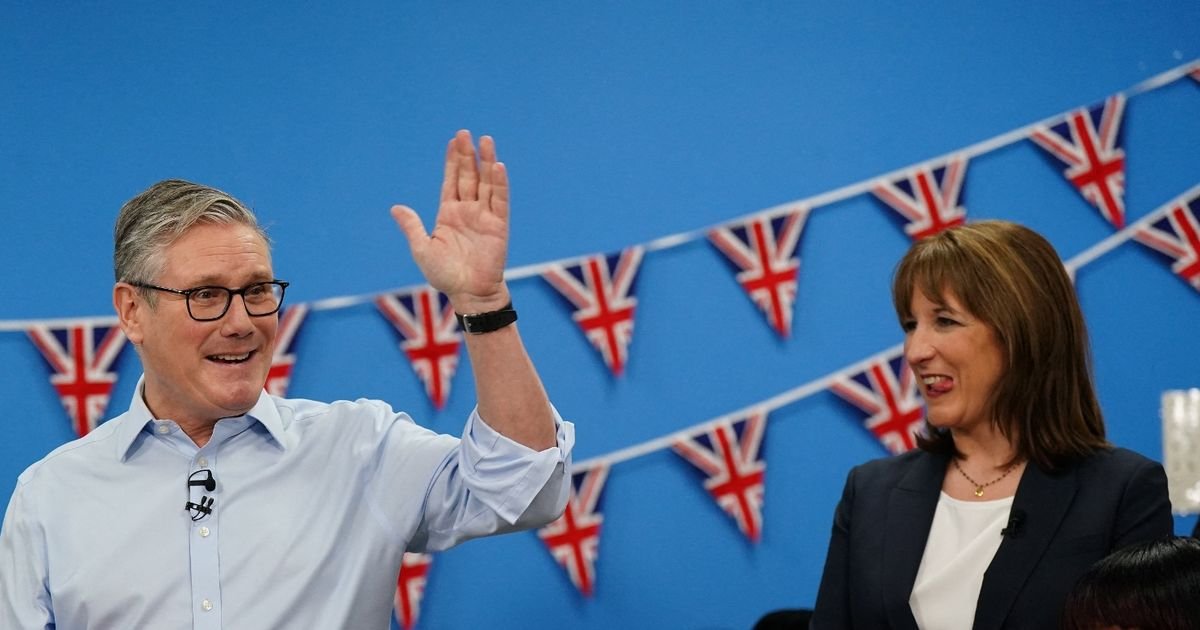
Keir Starmer’s recent foray into Tiktok signifies a positive step towards engaging with Generation Z. Despite launching his account on December 8, he has already amassed 26.5k followers. However, there is a substantial gap to bridge, considering that Nigel Farage, the leader of Reform UK, boasts 1.4 million followers on the platform.
The Demos report underscores the significance of TikTok in shaping democratic discourse among young people. For many, TikTok serves as a primary source of news, offering a more dynamic and relatable alternative to traditional media channels.
To resonate with the younger electorate, political posts must exude fun, freshness, and authentic personality. Establishing a strong social media presence is crucial for political figures, as it plays a pivotal role in shaping political identities even before policy discussions take place.
In a changing landscape where memes often precede personal encounters, Labour must infuse their social media strategy with authentic “meme energy” to connect effectively with voters.
Though Keir Starmer’s Tiktok debut faced initial skepticism, his videos have garnered significant views, indicating the potential for broader engagement. While Labour faces an uphill battle in the realm of social media, their efforts to adapt and engage with new platforms are commendable, albeit arriving somewhat belatedly.