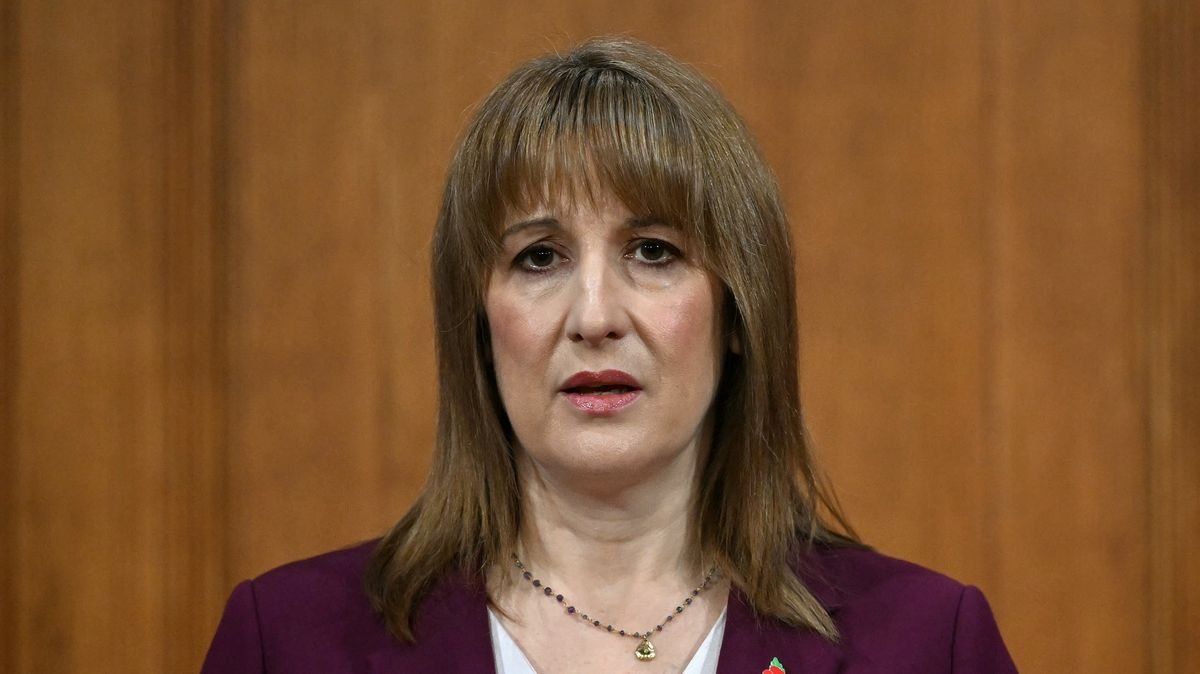


Rachel Reeves has abandoned her proposal to violate Labour’s commitment not to raise income tax in the upcoming Budget, as revealed by recent reports. Despite signals from the Chancellor hinting at possible tax increases in various public appearances over the past few weeks, Reeves clarified that no definitive decisions have been made regarding tax adjustments and government spending with only two weeks left until the Budget presentation.
The change in stance followed an impactful speech by Reeves last week, setting the stage for potential tax hikes in her financial statement on November 26. However, a recent report from the Financial Times disclosed a shift in direction by Downing Street. This development comes amid internal strife within the Labour party, with speculations of a leadership challenge and disagreements regarding taxation policies.
Reports suggest that Reeves is exploring alternative methods to address a significant deficit in public finances, with one potential approach involving adjustments to income tax thresholds without altering the basic and higher tax rates. Initially, her plan included a 2p increase in income tax rates while reducing national insurance rates by 2p, which would have affected certain groups like landlords and retirees.
In a speech, Reeves emphasized the need for pragmatic financial decisions in light of existing economic challenges, acknowledging the necessity for all citizens to contribute to the country’s prosperity. The ongoing debate raises questions about the feasibility and impact of deviating from the original tax plan outlined in Labour’s manifesto.
Economists, including Ben Zaranko from the Institute for Fiscal Studies, warn of potential risks associated with reversing the proposed tax adjustments, citing possible economic repercussions and increased likelihood of future policy reversals due to public discontent. Meanwhile, a Treasury spokesperson refrained from commenting on speculative tax changes, affirming the Chancellor’s commitment to presenting a Budget that prioritizes equitable choices for securing the nation’s future.