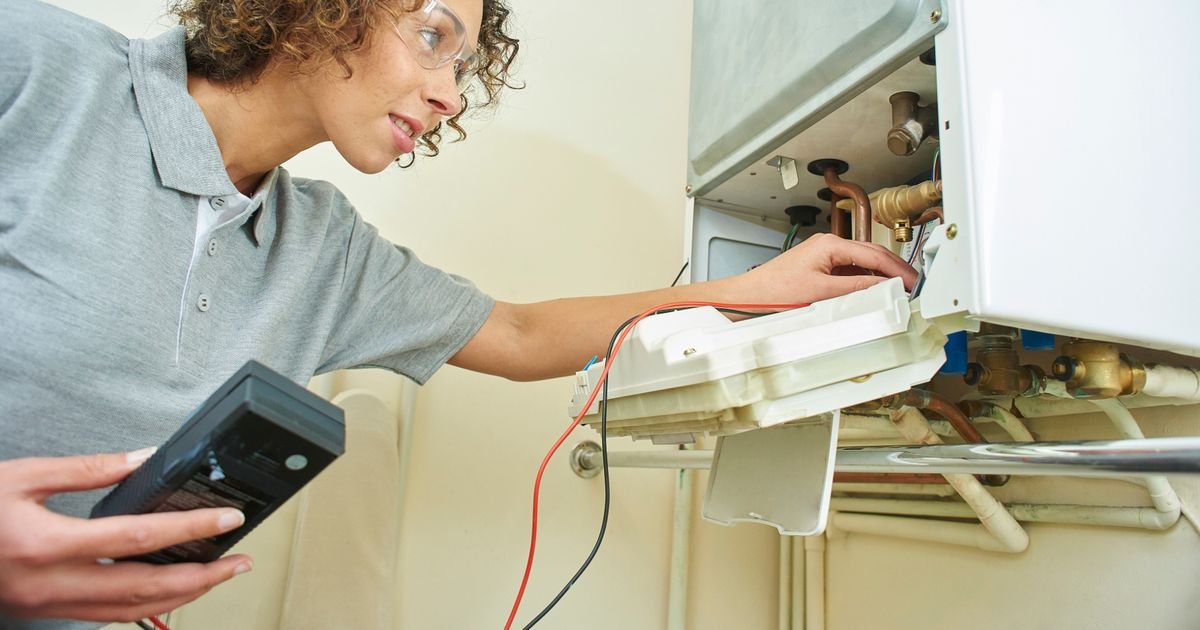


As we approach December and the weather gets colder, it’s essential to understand how your heating system functions. If your boiler is acting up and you’re concerned about the cost of calling an engineer, here are some tips. We’ll also discuss the value of insurance policies that cover home emergencies.
When I moved into a new apartment recently, I struggled to operate the new thermostat. It seemed stuck on the wall without a visible battery slot. After some effort, I discovered another thermostat in a kitchen drawer, inserted batteries, and voila – the heating started working!
Many people lack a clear understanding of how their thermostats operate. Surveys consistently reveal that the thermostat remains a mystery to many households. Despite recent energy bill concerns, more individuals have begun to familiarize themselves with their heating systems, whether through investing in smart thermostats or reading boiler manuals. Nevertheless, for a significant number of people, the heating system remains a perplexing subject.
Every year, numerous individuals spend hundreds of pounds on emergency callouts for issues with thermostats that could be resolved for less than £1. One common unnecessary callout is for thermostats simply needing a battery replacement. Often, people become perplexed by cryptic symbols flashing on the boiler, causing confusion. This occurs when the boiler fails to receive the expected instructions. For older thermostats, if the batteries are not properly positioned within the device, the connection may be disrupted.
Smart thermostats may also experience malfunctions. While various types of smart thermostats exist, a blinking screen typically indicates important system operations, such as software downloads, freezing, or malfunctioning. Consult the user guide for instructions on rebooting the thermostat and troubleshooting issues. Before proceeding, take a photo of the screen and carefully read the guide to decipher flashing codes or symbols. Some smart thermostats can be charged via USB, and there are instructional YouTube guides available as well.
If your boiler continues to malfunction, conduct basic checks like adjusting the dials and thermostat, activating the ‘boost’ option, and observing the boiler’s response. Repressurizing the boiler may seem daunting for non-technical individuals, but it is generally a straightforward process for most boilers. Prior to initiating repressurization, review the steps thoroughly and ensure confidence in the process. Remember to turn off the boiler as water leakage may occur, and the system could be hot.
If you cannot locate the boiler guide or find it incomprehensible, search online for guides using the boiler number, often located on the underside. Additionally, numerous YouTube guides address common problems. Restrict your efforts to simple tasks like repressurizing the boiler and avoid attempting complex procedures based solely on online tutorials.
If your radiators are not heating adequately, they may require ‘bleeding’ to release trapped air affecting heat distribution. While this task may seem complex initially, it is relatively straightforward. Most energy companies offer online guides on radiator maintenance. If you misplace your radiator key, replacements are easily obtainable. It is advisable to bleed your radiators annually, even if they appear functional. Exercise caution and follow proper procedures by turning off the heating, allowing time for cooling, and preparing a bowl and towel to contain any leaks.
Before considering a claim on a boiler or home emergency policy, review the coverage details. Most policies provide 24-hour callout services and outline your rights and repair/replacement timeframes. You may already have home emergency or boiler coverage through your existing home and contents insurance policy, so consult your insurer before scheduling an emergency callout.
If you encounter issues with blocked or leaking pipes, determine whether the pipes are within your property (eligible for insurance claim) or external (requiring intervention from the water company). Identifying access points in advance can streamline the claims process. Look for signs of water damage or unusual odors around your property, and if residing in a communal setting, notify your landlord or building management about building insurance coverage.
Considering a policy to cover boiler breakdowns warrants scrutiny of the coverage offered. Emergency engineer callout costs can vary significantly depending on the issue, ranging from around £225 to £675. Annual boiler servicing typically costs between £80 to £120, prompting consideration of specialized boiler or home emergency insurance policies for added protection.
Previously, insurance policies could be costly, leading some to opt for saving money independently. However, current online offerings provide boiler-only coverage for as little as a few pounds monthly. Be cautious, as initial quotes may escalate based on individual home details. Some policies include substantial callout fees, impacting the total cost of claims significantly.
Distinctions between insurance products, regulated insurance contracts, and service contracts are vital. In case of disputes, only insurance policies provide recourse through the Financial Ombudsman, not service contracts or unregulated agreements. Ensure that the underwriter, responsible for investigating and processing claims, is clearly listed in the insurance policy.
Key considerations when purchasing a boiler or home emergency policy include the type of