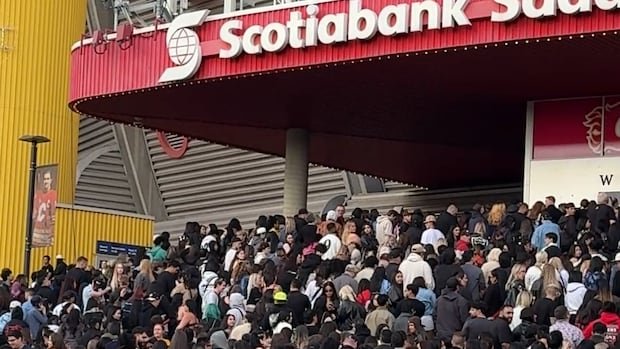


Amandeep Walia had eagerly anticipated watching Ne-Yo and Akon perform in Calgary for months. However, he and his wife faced extensive delays at the Scotiabank Saddledome, waiting first to enter and then for the concert to commence. Walia expressed surprise at the magnitude of the delay, estimating the total cost of the evening at around $700, which included tickets, a babysitter, and food.
Fans with floor and lower level seats were confined to the concourse as the venue was still being set up, preventing them from accessing their seats. Walia described the situation as disorganized and potentially hazardous due to the lack of access to seating areas.
Originally scheduled for 8 p.m., the Jun. 20 concert was rescheduled to 9 p.m. Ticket holders were further informed of the delayed start time, with the performance eventually commencing at approximately 10:45 p.m. Walia expressed frustration at missing out on the full concert experience due to the delayed start.
Similar incidents of concert delays have been reported elsewhere, such as Jay-Z’s delayed show at Yankee Stadium and Harry Styles’ postponed performance in Mexico City. These occurrences have raised questions among fans about the guarantees provided by concert tickets.
According to entertainment lawyer Kurt Dahl, consumers have limited rights when faced with concert delays. While ticket holders are assured a seat and a performance to some extent, the fine print often includes clauses allowing for event date and time changes without notice. Promoters typically incorporate flexibility into ticket agreements to accommodate unpredictable artist schedules, leaving consumers with few options when faced with significant delays.
Ashish Sharma from the Consumers Council of Canada highlighted the lack of statutory rights for customers in the event of concert delays, emphasizing the importance of timely communication from event organizers to keep attendees informed. As the live entertainment industry continues to grow, consumers are urged to consider the additional costs associated with attending events beyond just the ticket price.
While refunds for delayed concerts are not automatic, consumers may have leverage through public pressure to hold artists and organizers accountable for delays. Ultimately, the power lies in the court of public opinion to influence change in the industry. Walia suggested that ticket holders should receive compensation or credits for future events when faced with significant delays.