

In a straightforward manner this week, Wes Streeting voiced his frustration with the British Medical Association (BMA), the doctor’s union.
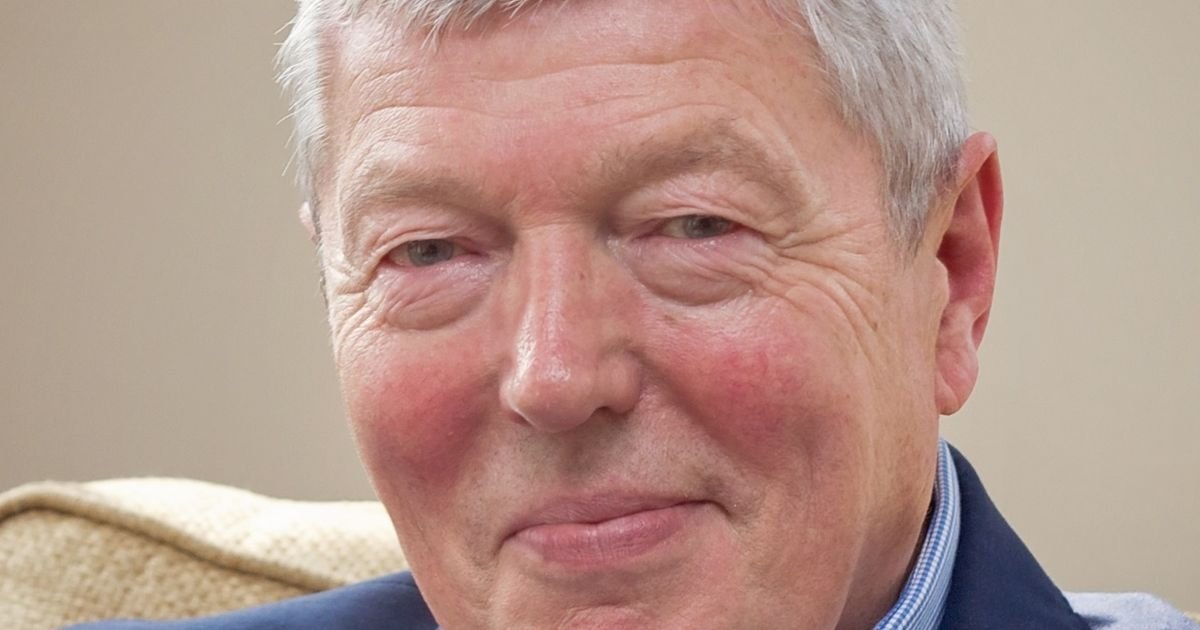
During my tenure as Health Secretary, I encountered similar challenges with the BMA. Back in 2008, under the Labour government, we aimed to enhance access to GP services, with NHS waiting times reduced from an average of two years to just eight weeks. Despite significant improvements in hospital care satisfaction levels, the BMA opposed our efforts to expand Saturday GP surgeries.
Some forward-thinking practices were already offering Saturday appointments to accommodate working patients and parents who preferred not to disrupt their children’s school schedules for medical visits. However, our plans to increase the availability of Saturday surgeries faced staunch opposition from the BMA.
Wes Streeting is currently advocating for online appointment booking to enhance the patient experience, a measure that is not groundbreaking in 2025. Nevertheless, this proposal is encountering resistance from entrenched institutions.
Concurrently, the BMA has declared a series of strikes by resident doctors leading up to Christmas. These doctors, formerly known as junior doctors, are scheduled for a five-day strike from December 17th to 22nd.
In my past role as a trade union leader, I adhered to the principle of not leading members into unwinnable disputes. While the public generally holds the medical profession in high regard, sentiments towards their professional body, the BMA, are less favorable. Public opinion, as reflected in polls, indicates opposition to the upcoming strike, especially considering the substantial pay increase received by doctors last year and the generous pay offer currently on the table.
Unlike other health unions that have accepted recommendations from an independent pay review body, fully supported by the government, the BMA persists in its demands. The government has expressed willingness to discuss non-pay-related issues such as better working conditions and enhanced training opportunities, but these offers have been rebuffed. Granting the BMA’s exorbitant 26% pay increase claim would jeopardize the ongoing recovery of the healthcare system.
The BMA’s resistance to change not only undermines the health service’s progress but also contradicts its historical opposition to the establishment of the NHS in the 20th century.
The policy of limiting benefit payments to two children per family has always been viewed with disdain. It raises questions about politicians targeting children to rectify economic challenges caused by their policies.
Proponents of the two-child limit argue that it targets parents perceived as dependent on state support. However, most affected families have at least one working parent, with the rest primarily consisting of single parents who were previously in two-parent households.
Life circumstances change, relationships dissolve, and unforeseen events such as abandonment, death, or incarceration of a parent can disrupt family dynamics. Punishing children in such situations seems unjustifiable.
While removing the two-child cap from April onwards is a significant step, it is part of a broader child poverty strategy announced recently that promises to positively impact the lives of many young individuals.
The latest data on net migration indicates a notable decrease to 204,000, representing a 75% drop from its peak two years ago. This figure is now closer to the levels observed during the final year of the previous Labour administration, contrasting sharply with the Conservative government’s failed promise to reduce net migration to tens of thousands. The current figures reflect a substantial reduction since 2010, following Labour’s return to power.
A recent decision at the inaugural conference of a certain political party to have a collective leadership structure instead of a single leader has raised concerns. This approach, led by a panel of members, diverges from the traditional model of individual leadership.
As GK Chesterton once humorously remarked, statues of committees are notably absent in city parks. Given the choice between Corbyn and Sultana, the preference for a panel leadership emerges.
This website uses cookies and similar technologies to enhance user experience, analyze site usage, and provide personalized advertising. Users can opt out of data sharing by clicking the corresponding button on the webpage. By accessing the website and its services, users agree to the use of cookies as outlined in the Privacy Notice and Terms and Conditions.