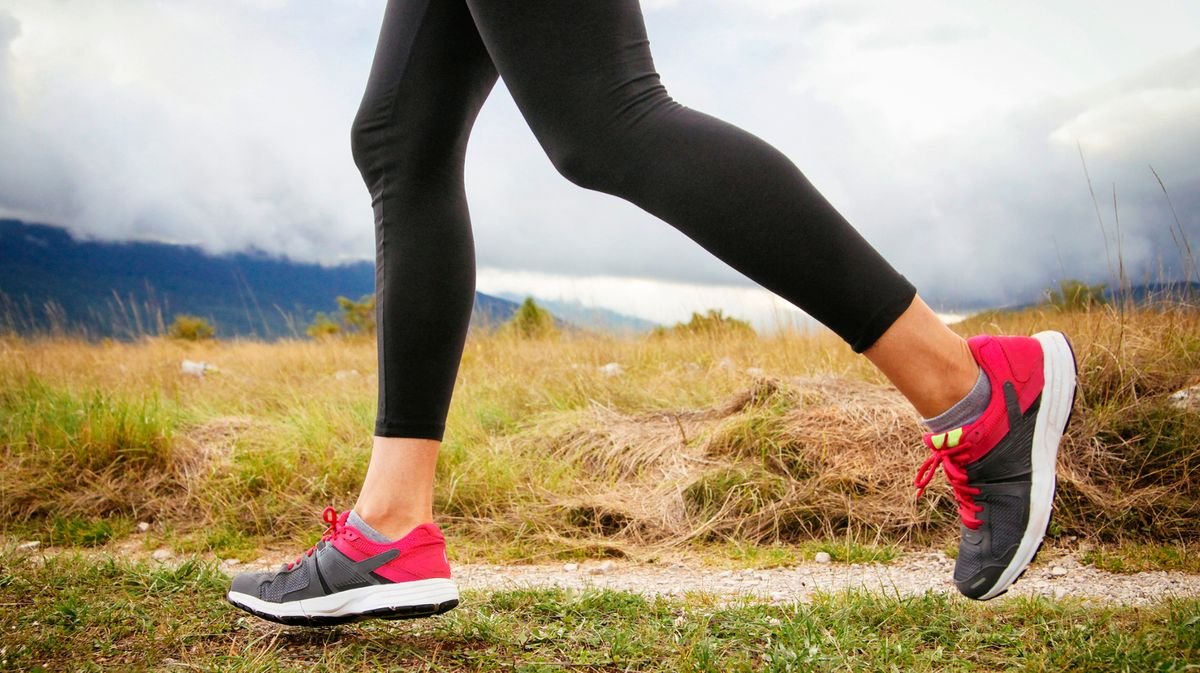


As January progresses, many individuals are focusing on improving their fitness and health to kickstart the year. For runners, or those new to running, protecting their knees is a common concern during the process.
Engaging in running offers numerous benefits but can also lead to discomfort due to factors like incorrect form, inadequate footwear, or excessive training. Personal experience during lockdown highlighted the toll on knees from increased running frequency for recreation and time-passing purposes.
Recognizing the strain on my knees, a visit to a physiotherapist revealed that I was pushing myself too hard. Following their guidance, I adjusted my routine to three runs per week, incorporated pre-run exercises, and found one particularly effective method that significantly alleviated knee discomfort both daily and during runs.
This beneficial exercise involves performing squats before running, a simple yet impactful practice with notable advantages. Squatting mirrors the natural motion of sitting and standing, effectively engaging major lower body muscles (glutes, quads, hamstrings) and core while enhancing mobility, balance, and overall function.
Squats are renowned in strength training for muscle development, fat burning, and athletic enhancement. Additionally, they contribute to strengthening the knees by targeting supporting muscles like quads, hamstrings, and glutes, thereby improving joint stability crucial for runners.
Integrating squats into a running routine can enhance muscle strength, joint stability, and prevent common knee injuries, provided they are executed with proper form to avoid imbalances. Performing full squats, rather than half-squats, promotes muscle balance, stability, and overall leg power, fostering body awareness and reducing injury risk.
By fortifying quadriceps, hamstrings, and glutes, squats play a vital role in stabilizing the knee joint during running’s repetitive impact, promoting knee resilience and stability through engagement of multiple muscle groups. It’s essential to maintain correct form by aligning knees with toes and progressing gradually, especially for beginners or those recovering from discomfort.
Starting with bodyweight squats or wall sits and gradually advancing is advisable for newcomers or individuals returning from pain, aiding in developing essential strength and mobility. Any sharp pain experienced during squats or running should prompt seeking professional advice to prevent injuries, emphasizing the importance of expert consultation for addressing specific issues.
While incorporating exercises like squats can be beneficial, consulting a physiotherapist for personalized guidance on treatment is crucial for addressing individual concerns and ensuring proper care. Expert advice is invaluable in optimizing fitness routines and safeguarding against potential injuries.