

In Nuuk, the capital of Greenland, a striking new building stands out on the main street, catching the eye of visitors. While not a towering skyscraper, the new American consulate has become a topic of intense debate among the locals, overshadowing the town’s colorful low-rise buildings.
Initially welcomed as a positive addition to Nuuk’s small population of 20,000, the consulate has stirred controversy following statements made by President Donald Trump, causing concern among the residents of the remote city. The threat of potential acquisition of Greenland by the U.S. has unsettled many, including Nuuk-based plumber Mads Pedersen, who expressed his dismay over Trump’s aggressive stance.
The diplomatic crisis sparked by Trump’s remarks has strained relations between Greenland, Denmark, and the island’s government. Pedersen criticized Trump’s tactics, stating that the community values their autonomy and does not wish to become an American territory.
Despite Nuuk’s modern amenities, such as Greenland’s lone shopping center, its harsh climate and reliance on fishing as the primary industry portray a challenging way of life. The absence of global fast-food chains like McDonald’s and Starbucks is reflective of the locals’ desire to maintain their unique identity and resist external influences.
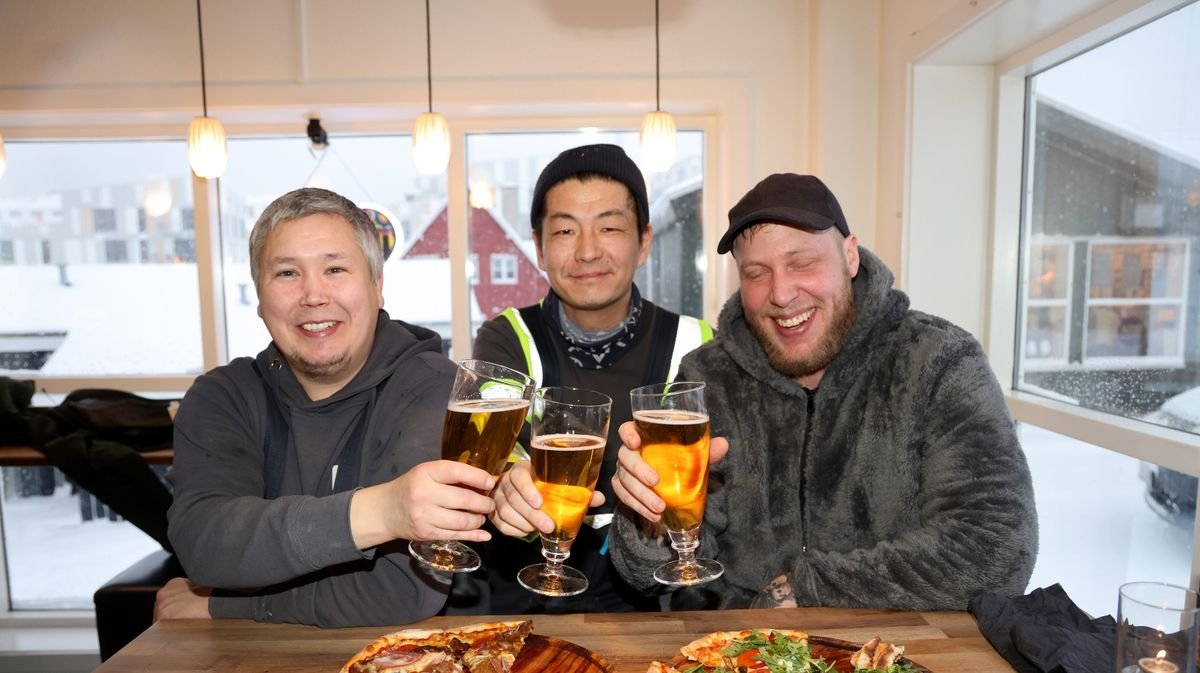
Local plumbers, including Pedersen and his colleagues, reject Trump’s proposed financial incentives and disdain the notion of Greenland becoming a bargaining chip. The Inuit people’s deep-rooted connection to their land and culture adds to their resistance against external interference, particularly Trump’s forceful rhetoric.
The Greenlanders’ sense of national pride and aspiration for independence align with their pursuit of sovereignty and self-governance. Amid global scrutiny and geopolitical interests in the Arctic region, Greenlanders emphasize their desire to preserve their way of life and resist external pressures.