

Healthy food and beneficial bacteria could potentially slow tumor growth in cancer patients, according to recent research findings. A study involving prostate cancer patients showed that supplements containing vegetables like broccoli, turmeric, pomegranate, green tea, ginger, and cranberry led to a decrease in a key prostate cancer indicator in the blood and improved urinary symptoms over a four-month period.
The addition of a probiotic containing Lactobacillus bacteria seemed to further reduce levels of prostate-specific antigen (PSA) in the blood, a marker for disease progression. Professor Robert Thomas, the lead author of the study, noted that enhancing gut bacteria balance could not only impede prostate cancer activity but also enhance men’s health aspects such as urinary symptoms, inflammation, and physical strength.
Probiotics are live microorganisms known for their health benefits and are commonly found in yogurts or taken as dietary supplements. They are considered “good” bacteria that aid in restoring the natural gut bacteria balance, known as the microbiome, which can be disrupted by illness, medications, or a poor diet lacking in fresh, whole foods.
The trial, conducted by a team from the University of Bedfordshire in collaboration with experts from Cambridge University, Bedford Hospital, and international scientists, involved 212 men with low-risk prostate cancer. The vegetable-rich supplement was chosen for its high phytochemical content, known for their antioxidant, anti-inflammatory, and anticancer properties.
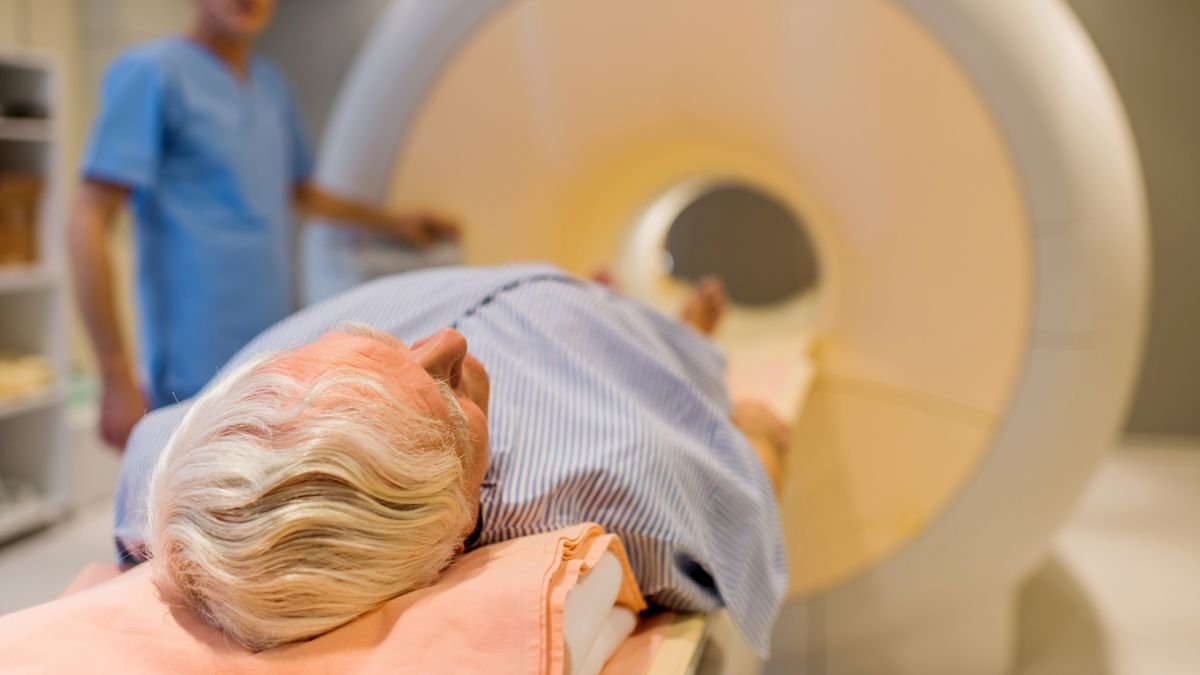
Results showed a significant slowdown in PSA progression in both groups, with a more pronounced effect observed in the group receiving the probiotic. MRI scans were used to monitor disease progression during the study period. Published in the European Urology Oncology journal, the study revealed that a higher percentage of men who had the supplement and the probiotic had stable disease or exhibited disease regression compared to those who had the supplement and a placebo.
Dr. Jeffrey Aldous, a senior lecturer in exercise physiology, highlighted the potential of targeted dietary interventions to positively impact gut microbiome and overall well-being in cancer patients. Dr. Hayley Luxton from Prostate Cancer UK emphasized the importance of diet and gut health in influencing prostate cancer outcomes, suggesting that healthier diets could lead to improved results and overall well-being. Further research is warranted to determine the precise role of probiotics and supplements, but maintaining a balanced and healthy diet is recommended for optimal health.