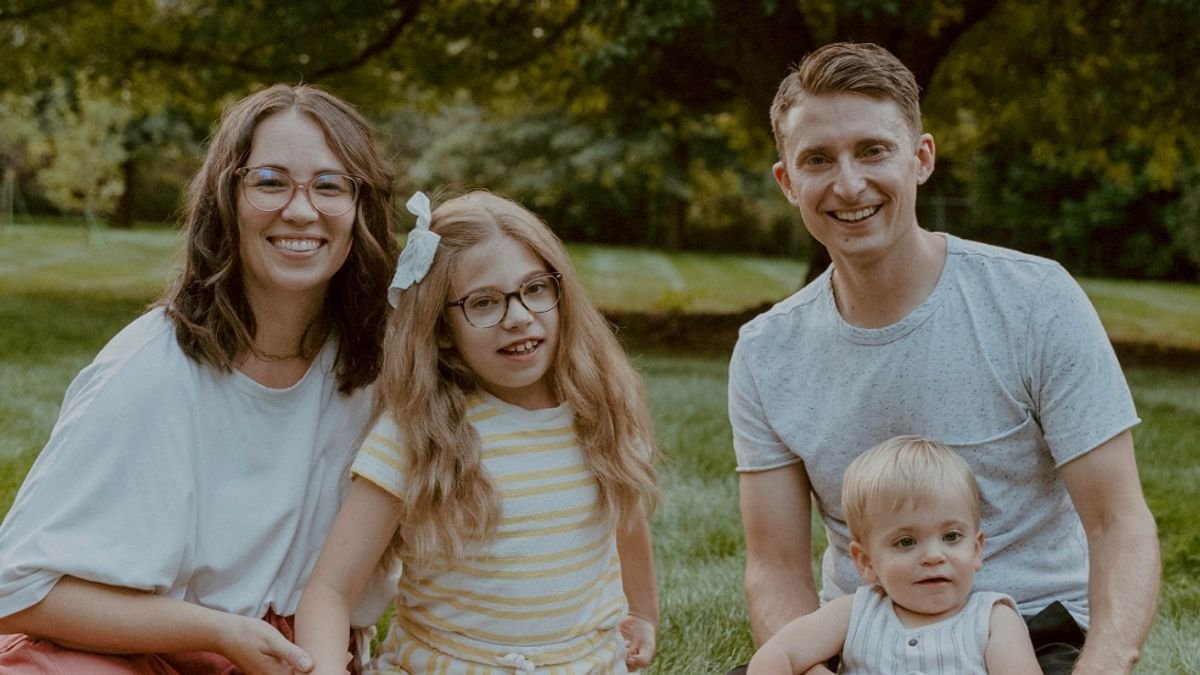


A couple, Megan and Kyle Kempf, noticed concerning signs about their daughter Poppy’s development, leading to a diagnosis of a rare, incurable disease affecting her and her brother Oliver. The children’s life expectancies are at risk due to Sanfilippo syndrome type B, a genetic disorder causing neurodegeneration. Despite the grim prognosis, the parents are hopeful about a potential treatment pending medical approval.
The journey began when Megan observed Poppy’s regression in drawing skills at the age of three, signaling a deeper issue. Further investigations revealed additional concerns like sleep apnea and developmental delays. Poppy’s struggles became more noticeable in school, eventually leading to a diagnosis of mild intellectual disability at the age of five.
Following a visit to a neurologist and geneticist, Poppy was diagnosed with Sanfilippo syndrome type B, a devastating condition often referred to as ‘childhood dementia.’ The genetic nature of the disease prompted testing on Oliver, confirming his positive diagnosis as well. The family faced the harsh reality of limited life expectancy for their children, putting them on a quest for potential solutions beyond conventional medical guidelines.
Amid the lack of a cure, Megan and Kyle pursued alternative options, including enzyme replacement therapy currently in clinical trials. The treatment, aimed at replacing missing enzymes in the body, offers a glimmer of hope for the affected children. With ongoing efforts to secure FDA approval and raise awareness and funds, the family remains optimistic about the possibility of accessing the treatment by 2027.
The journey has been challenging, with Megan and other families advocating for a breakthrough in treating Sanfilippo syndrome. Their fundraising efforts and hopes for the future reflect a shared determination to find answers for all children affected by rare diseases.