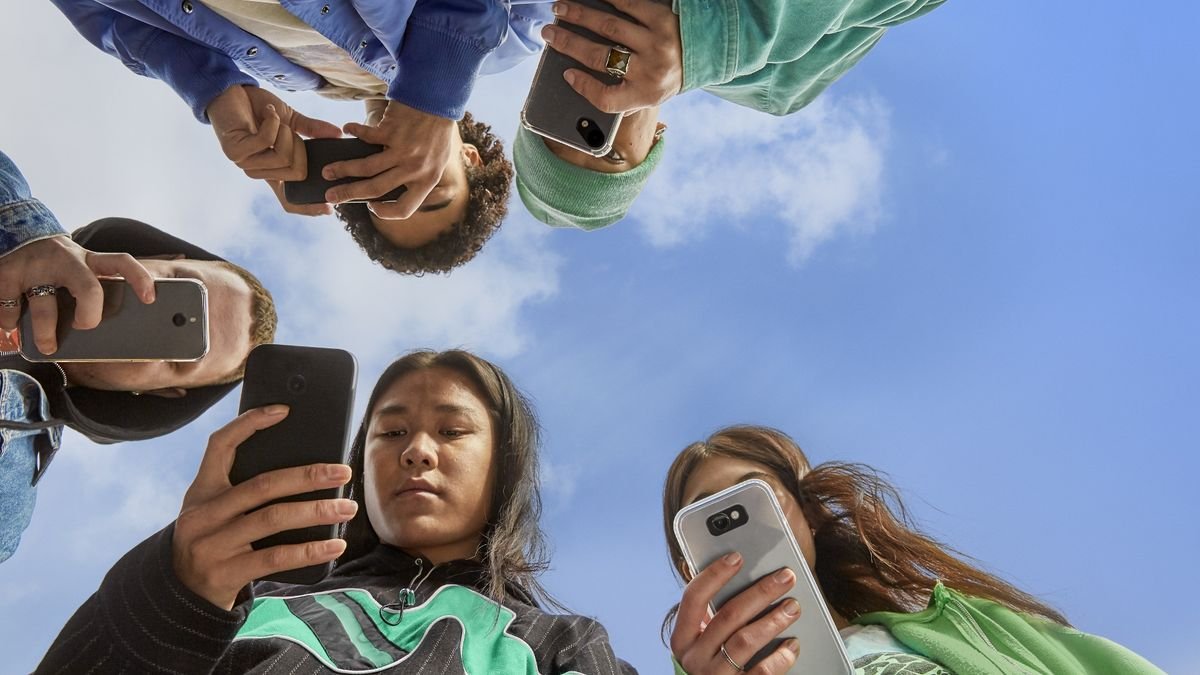


Wes Streeting has expressed concern over the negative impact of social media, dubbing it as “antisocial media,” and highlighted the increasing mental health challenges faced by young individuals within the NHS.
Reflecting on his own teenage years, the Health Secretary noted the ease with which today’s youth can access extreme online content compared to the challenges of sneaking into a cinema in the past.
Streeting also mentioned his interest in Australia’s social media ban, emphasizing the need for a more proactive approach to guide young people through the complexities of the digital realm, which can harbor issues like bullying, intimidation, and radicalization.
Addressing the need for a shift in perspective, he stressed the importance of teaching children how to navigate technology responsibly, warning against the growing trend of social media turning into a platform for negative interactions.
The intersection of the Covid pandemic and the widespread use of social media has contributed to the surge in mental health issues among the youth, with reports linking online exposure to an increase in self-harm and suicide cases.
Recent regulatory measures, such as Ofcom’s children’s safety guide for tech companies, aim to safeguard young users by restricting access to harmful online content.
Statistics reveal a concerning trend, with 64% of young adults in the UK reporting mental health struggles, and over half a million individuals seeking assistance from children and young people’s mental health services.
While acknowledging the effectiveness of Australia’s social media ban for under-16s, UK ministers have indicated no immediate plans to implement a similar ban, citing the importance of balancing digital safety with the benefits of online connectivity for children.
In the coming year, parents can anticipate updated guidelines on screen time for young children, as policymakers engage in discussions with health experts to address the evolving landscape of social media usage among the youth.