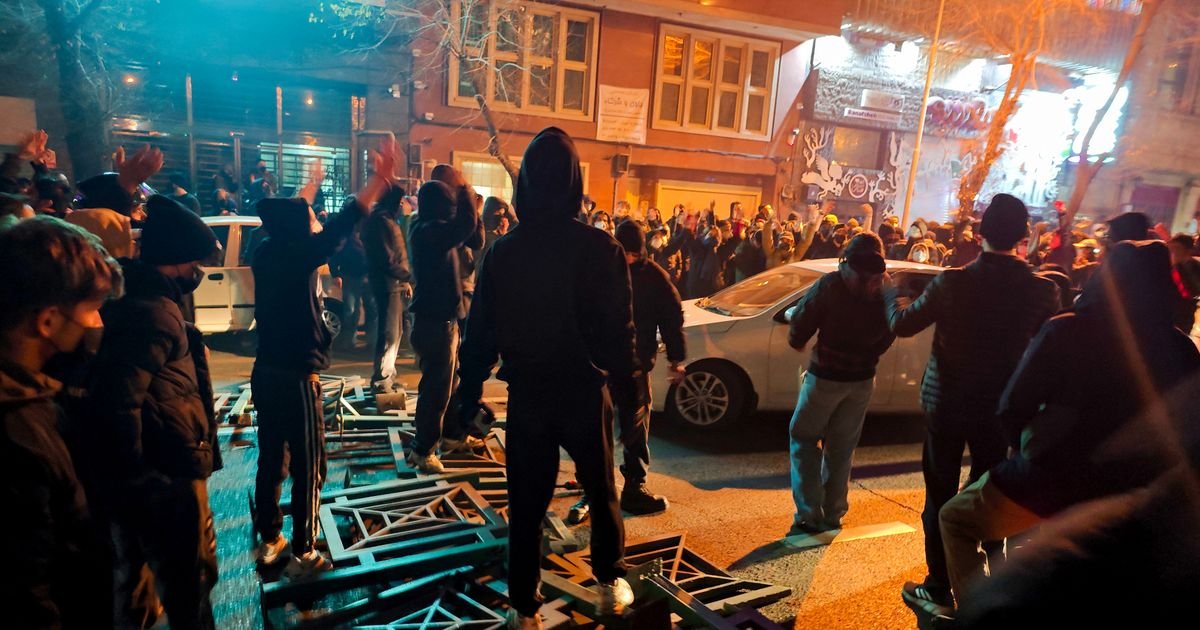


Violent turmoil in Iran has escalated dramatically, characterized by a chilling internet blackout, a significant death toll among protestors, and the impending execution of a demonstrator. A human rights researcher specializing in Iran’s political landscape has shed light on the blackout’s impact on citizens and their disconnected loved ones.
Isolated from their social circle, many Iranians abroad fear for their compatriots as the world watches in suspense for six days amid the deadly unrest. Iranian officials have acknowledged that at least 2,000 people have lost their lives in the ongoing protests, which have been marred by reports of street executions, shootings by troops, and brutal killings with police weapons.
The recent wave of anti-government demonstrations in Iran has posed a major challenge to the regime, triggering a severe crackdown by security forces, including the cutoff of internet access and a rising number of casualties on the streets. Notably, Erfan Soltani faces imminent execution without legal representation, while other victims, like 23-year-old Rubina Aminian, have tragically fallen prey to the authorities’ violent crackdown.
A firsthand account from an artist named Maryam, present at the Tehran protests, described a harrowing scene of violence perpetrated by various security forces against the protestors. The blackout, enforced since January 8, is believed to be a tactic to conceal violations of international law.
Amid growing international concern, Amnesty International has called for an end to the internet blackout, emphasizing its role in concealing human rights abuses and impeding access to essential services and information. The deliberate shutdown has profound implications, hindering communication, medical assistance, and the documentation of abuses.
The blackout not only jeopardizes the physical safety of Iranians but also takes a toll on their mental well-being by severing vital connections and impeding the dissemination of crucial information. Amnesty International’s efforts to gather evidence and monitor the situation are hampered by the blackout, reinforcing the need to lift the restrictions for accountability.
As the crisis unfolds, reports of widespread use of lethal force by security services and alarming conditions in hospitals have emerged, indicating a dire humanitarian situation. The shutdown of communication channels, a common tactic used by repressive regimes, is condemned as a violation of human rights and a tool to suppress dissent.
In response to the escalating tensions, President Trump has issued warnings and imposed tariffs on countries dealing with Iran, signaling a tough stance against the violence in the region. The President’s strong rhetoric underscores the gravity of the situation and the need for urgent action to address the crisis in Iran.
The international community remains on edge as the situation in Iran continues to deteriorate, with hopes for a diplomatic resolution amid mounting pressure for accountability and justice for the victims of the violent crackdown.