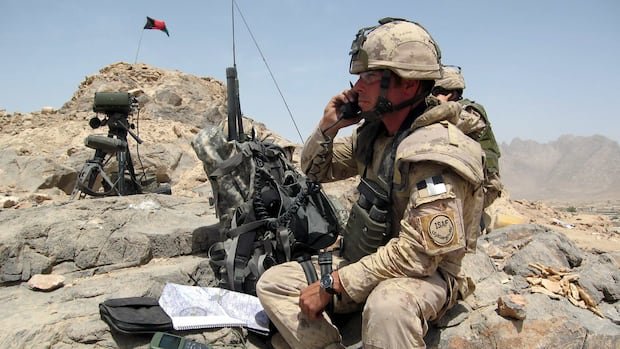


As Canadian forces made their way across the Arghandab River, former corporal Bruce Moncur sensed trouble when he spotted a green pen flare in the sky. Recognizing that NATO troops typically used red flares, Moncur realized the green flare signaled the presence of Taliban forces.
This marked the start of a three-sided ambush by the Taliban as Moncur and his comrades disembarked from their armored vehicles, walking deeper into the enemy’s trap. The events of that fateful day, part of Operation Medusa, remain vivid in Moncur’s memory even two decades later.
The intense battle commenced on September 2, 2006, following an initial artillery and air strike. Moncur’s unit, Charles Company, 1st Battalion Royal Canadian Regiment (1RCR), encountered a well-entrenched enemy armed with machine guns, rocket-propelled grenades, and small arms. The Taliban’s decision to stand and fight was a departure from their usual tactics, leading to a fierce engagement.
Over 2,000 NATO troops, including more than 1,000 Canadians, participated in the operation alongside Afghan and other allied forces. The clash at the vineyards and villages of Kandahar marked Canada’s largest conventional operation since the Korean War.
During the five-hour firefight that ensued after crossing the river, four Canadian soldiers lost their lives, and 16 others sustained injuries before the order to retreat was given. Moncur vividly recalled the chaos of the battlefield, including the harrowing rescue mission for a fallen comrade.
The Taliban’s unexpected resilience, comprising an estimated 1,000 insurgents, caught the Canadians off guard, as recounted by Major Geoff Abthorpe, the Bravo Company commander. The clash pitted battle-hardened Taliban fighters against Canadian troops experiencing combat for the first time, highlighting the severity of the engagement.
Before the battle, insurgents had fortified positions in the Panjwai and Zhari districts, testing NATO’s resolve following the alliance’s assumption of control in southern Afghanistan from the U.S.-led coalition. The Taliban’s strategic moves aimed to challenge NATO forces and gauge their commitment to the conflict.
The intensity of the battle was further compounded by a tragic friendly fire incident involving an American A-10 aircraft that resulted in casualties, including Moncur’s severe head injury. Despite the challenges, the Canadians regrouped and adjusted their strategy, eventually prevailing over the Taliban forces after a prolonged operation that saw hundreds of insurgents neutralized.
The aftermath of Operation Medusa marked a turning point in the war, compelling the Taliban to reassess their tactics and return to guerrilla-style warfare. This significant military and political event underscored the determination and sacrifices made by Canadian forces, leaving a lasting impact on the Afghan conflict.