

The G7 countries have announced their decision to release 100 million barrels of oil, with a focus on significant amounts of diesel, in response to the recent surge in fuel prices in the United States. U.S. President Donald Trump confirmed the immediate release of diesel, in line with the G7’s commitment to a frontloaded substantial release within the next 20 days, with the remainder to follow over a four-month period. The move comes as Trump and the Republican Party face mounting pressure to address the escalating prices prior to the Nov. 3 midterm elections.
Amidst the Iran war and trade disputes, which have contributed to rising oil and commodity prices in the U.S., the president’s approval ratings have declined. Despite the spike in gas and diesel prices during the ongoing war, Trump has defended the situation as necessary to prevent Iran from acquiring nuclear weapons. He has expressed confidence that prices will decrease post-war, although a resolution seems uncertain.
In Canada, the average diesel price stood at $2.63 per liter, with certain cities like Vancouver experiencing even higher prices at around $2.71 per liter. These elevated costs are putting strain on transport truck drivers and farmers who rely on diesel to operate their vehicles and machinery.
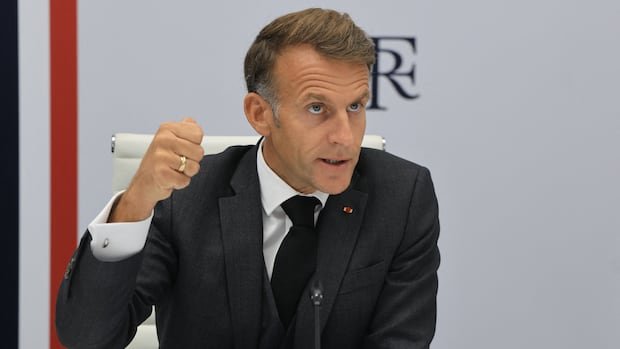
France, currently holding the G7 presidency, made the announcement following discussions led by French President Emmanuel Macron. The G7 nations, along with EU representation, have pledged to coordinate efforts through the International Energy Agency to address the soaring fuel prices. This release follows a prior commitment made in March by IEA member countries to release 426 million barrels of oil and products to stabilize the oil market.
Additionally, Trump had recently considered banning diesel exports to lower gas prices for American consumers, a move that experts caution could have adverse effects on the global fuel market, exacerbating price hikes worldwide. Despite this, the G7 statement emphasized the group’s commitment to refraining from energy export restrictions among member countries and urged all producers to avoid implementing bans that could worsen market tensions.
Trump engaged in discussions with Macron regarding the pressing issue of rising fuel prices and petroleum product availability, prior to chairing the G7 videoconference. A recent AP-NORC poll indicated that a majority of U.S. adults attribute the higher prices to Trump, with approval ratings on his economic management reaching a new low.