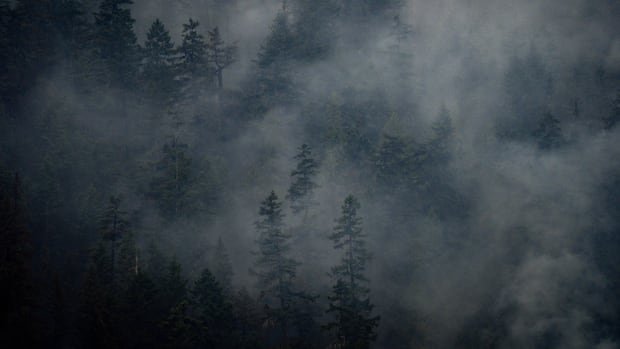


More than 500 wildfires in British Columbia have been determined to be caused by arson or have suspicious origins within a span of 10 years. Officials responsible for wildfires caution that deliberately set fires can be extremely destructive, especially given the current hot and dry conditions in the province.
Between 2016 and 2025, the B.C. Wildfire Service (BCWS) identified 560 fires as arson or suspicious out of a total of 14,856 fires detected during that period. These fires are termed “incendiary fires,” defined as blazes deliberately ignited in locations or circumstances where there should not be any fire.
One such fire is the Bald Range wildfire, which led to the evacuation of numerous residents in the Summerland area. The RCMP is investigating this fire, which is considered suspicious and was first noticed on August 7. Authorities are seeking witnesses who might have information regarding the fire’s cause.
The BCWS raised concerns about deliberately ignited fires following the Bald Range wildfire incident. Cliff Chapman, the BCWS director of provincial operations, expressed significant worry about intentionally set wildfires, particularly under the prevailing weather conditions.
When a ban on campfires is in effect, wildfires caused by campfires are usually categorized as campfire-caused wildfires by investigators. However, in severe instances, the Natural Resource Officer Service and law enforcement may decide that arson charges are appropriate.
Kira Hoffman, a wildfire researcher at the University of British Columbia’s Centre for Wildfire Coexistence, mentioned that arson charges can also be applicable if other incendiary devices, like fireworks or gas canisters, are found to have caused a fire through negligence. Although arsons represent a small portion of wildfires in Canada, their occurrences tend to rise during periods of heightened wildfire risk.
Recent incidents include the arrest of a suspected arsonist in Princeton for a small fire on Similkameen Avenue. Additionally, five fires near Shuswap Lake last week are believed to have been intentionally set. A Kelowna man received a 21-month prison sentence for starting fires on Knox Mountain last year.
Hoffman highlighted severe instances of arson occurring south of the border. In Spokane, Washington, a man faces five arson-related charges for fires that destroyed over 800 homes. Furthermore, a 29-year-old man was charged with igniting the destructive Palisades Fire in Los Angeles last year.
Hoffman emphasized the seriousness of dealing with incendiary devices, likening them to explosives due to their highly hazardous nature, especially when near or within communities.