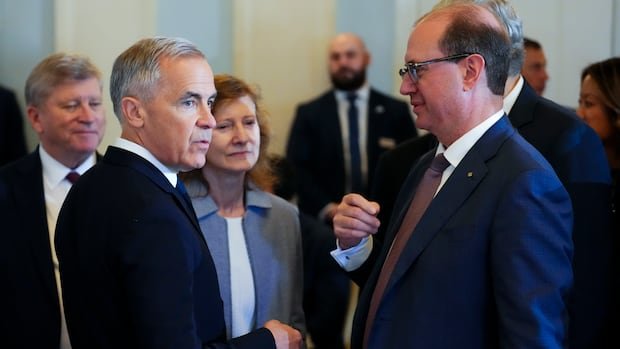


Canada’s ambassador to the United States emphasized the necessity of reintroducing American alcohol into Canadian markets as a key requirement for finalizing a trade deal and avoiding potential new tariffs. Ambassador Mark Wiseman delivered this message during an informative session with approximately 100 members of the Canada-U.S. trade council, consisting of various business entities and labor groups.
As negotiations between Canada and the U.S. approach a critical stage to prevent hefty tariffs on Canadian exports, a dedicated Canadian team is engaged in last-minute talks with the Trump administration in Washington. Wiseman shared insights on a preliminary agreement to sidestep the impending tariffs during the half-hour briefing, as per sources privy to the call.
The potential deal includes provisions to reduce tariffs on steel, aluminum, and automobiles, as well as modifications to the allocation of dairy import licenses by the Canadian government. However, concerns were voiced by former Canadian chief trade negotiator Steve Verheul regarding potential risks associated with the agreement. Verheul, recognized for his past roles in trade negotiations leading to the Canada-U.S.-Mexico Agreement and NAFTA, cautioned against conceding to certain tariff terms that could compromise Canada’s bargaining power in future negotiations.
In addition to addressing the trade council, Verheul highlighted the potential repercussions of conceding to sectoral tariffs imposed by the Trump administration. He underscored the importance of maintaining a stance against such tariffs and prioritizing duty-free trade agreements in upcoming reviews. Furthermore, Verheul criticized the lack of sufficient consultation with affected industries by the Canadian government, contrasting it with the reportedly detailed briefings received by U.S. industry representatives.
The call also featured insights from another council adviser, former deputy prime minister Chrystia Freeland, who raised concerns about the difficulty of reversing tariff agreements once they are in place, especially if there are changes in the U.S. administration. Freeland, who played a key role in renegotiating NAFTA into CUSMA, emphasized the importance of careful consideration before committing to tariff arrangements.
Overall, the discussions highlighted the complexities and challenges involved in the ongoing trade negotiations between Canada and the United States, with key stakeholders expressing reservations and advocating for a strategic approach to safeguard Canadian interests.