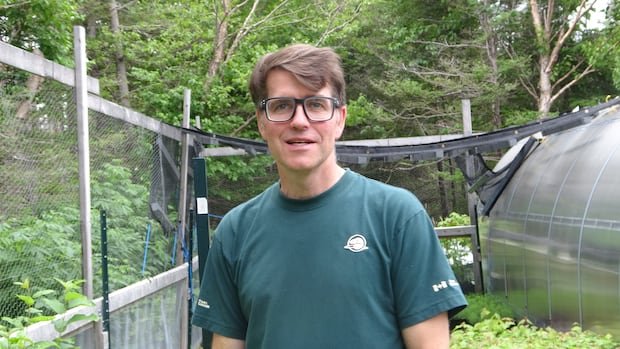


Crews in western Newfoundland’s vast national park are undertaking a massive tree-planting initiative to aid in the recovery of forests impacted by a once prolific moose population. Darroch Whitaker, an ecosystems scientist with Parks Canada at Gros Morne National Park, reported that over 730,000 trees have been planted since 2023 in areas previously transformed into grasslands by voracious moose herds. The goal is to plant a total of 1.25 million trees across approximately four square kilometers within the next three years.
Beyond mere restoration, the tree planting strategy is focused on establishing a diverse mix of tree species resilient to rising temperatures, ensuring the development of robust forests capable of withstanding the effects of climate change. Whitaker emphasized the importance of selecting tree species that can thrive in the anticipated future climate conditions, as these trees are expected to endure for generations to come.
Gros Morne National Park, renowned for its majestic fiords and boreal forests intersected by rivers and waterfalls, spans an area of 1,805 square kilometers and was designated in 1973 as the second-largest national park in Atlantic Canada. Moose, although common throughout Newfoundland, experienced extraordinary proliferation in Gros Morne due to a historical hunting embargo that shielded them from human predation, their sole natural predator on the island.
At one point in the 1990s, the park harbored around 6,500 moose, with certain regions hosting more than six animals per square kilometer. The unprecedented moose density posed challenges as the animals consumed substantial quantities of young trees, exacerbating the impact of natural disturbances like beetle infestations. Consequently, swathes of deforested areas, known as “moose meadows,” emerged within the park’s woodlands.
In response, park authorities initiated moose hunting activities in 2011, effectively reducing the moose population to a manageable 2,000 individuals. Subsequently, in 2023, tree planters commenced reforestation efforts by introducing two-year-old saplings into the moose meadows. These saplings, cultivated primarily at the Rocky Harbour tree nursery, are carefully selected to include a variety of species such as black and white spruce, balsam fir, yellow birch, white pine, and wild cherry, sourced from southern park regions well-suited to warmer temperatures anticipated in the future.
The meticulous tree planting approach aims to facilitate the establishment of resilient forests that can adapt to changing climate conditions. Whitaker stressed the significance of assisting tree migration by strategically introducing seeds from warmer regions within the park, as trees are fixed in place once they germinate and require external assistance to adjust to shifting climatic patterns.