

A recent incident involving a grizzly bear that gained widespread attention, along with fresh research, are underscoring the significance of keeping dogs on a leash while hiking.
A woman may be fined up to $25,000 for sharing a TikTok video in July that amassed several million views. The video depicts a man wielding bear spray confronting a grizzly bear, while a small unleashed dog dashes between him and the woman recording the scene.
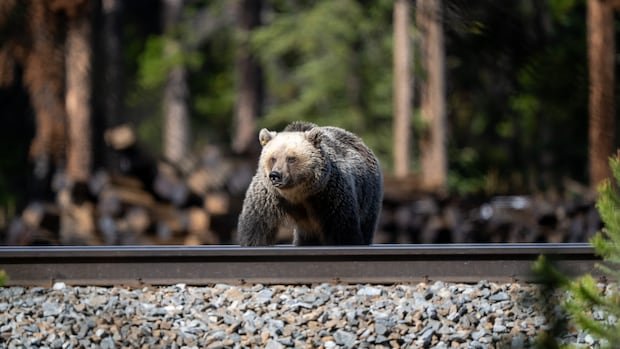
The footage showcases grizzly bear No. 142, a renowned female bear, strolling along the Taylor Lake trail in Banff National Park without displaying any aggression.
Scheduled to appear in Canmore court later this month, the woman behind the video faces legal repercussions.
A recent peer-reviewed study titled “The Canine Conundrum: Is a Dog a Help or Hindrance in Bear Country?” delved into incidents akin to those depicted in the viral video, examining 326 documented human-bear conflicts involving dogs from 1901 to 2023.
The study revealed that 54 percent of these conflicts were instigated by dogs. Among the incidents scrutinized, five individuals and 56 dogs lost their lives, while 170 people sustained injuries.
Lana Ciarniello, an independent researcher and co-author of the study, highlighted that hiking with at least one companion reduces the likelihood of negative bear encounters by 50 percent.
However, the presence of a dog elevates the odds of a negative bear encounter due to the chaos introduced by the canine factor during recreational activities, as stated by Ciarniello.
The study was prompted by a tragic incident in 2023 when a grizzly bear in the Red Deer Valley area of Banff National Park fatally attacked two hikers and their dog.
The study emphasized that human-bear conflicts can tarnish the public’s perception of vital ecosystem components. Dog-bear conflicts not only impact owners, their dogs, and the bears involved but also influence the future of bear populations.
Encounters in both frontcountry and backcountry areas occurred at similar rates. The study’s findings underscore that carrying a deterrent, leashing dogs, and hiking in groups could significantly diminish the risk of conflicts.
Injuries were 4.5 times more prevalent among individuals with off-leash dogs, and encounters with bears were more frequent when dogs were off-leash.
Ciarniello urged compliance with on-leash dog regulations, mandatory in Canada’s national parks, and proposed exploring dog restrictions in critical grizzly habitat zones.
Furthermore, Parks Canada wildlife experts recommended implementing “enhanced dog restrictions” across Banff National Park following the tragic incident in the Red Deer Valley area in 2023, as outlined in an internal report obtained by CBC.
The report underscored the necessity for Parks Canada to reassess dog-related policies and regulations in Banff National Park and its network of protected areas.
According to the report, dog presence is a recognized risk factor for bear-human conflicts and attacks, with non-compliance with leash regulations being a prevalent issue despite frequent wildlife encounters in the park.
The report cautioned that with increasing visitation, the likelihood of adverse dog-wildlife encounters becomes more foreseeable.
The study cited examples from U.S. national parks like Yellowstone, Grand Teton, and Glacier, where dogs are prohibited on trails and in backcountry areas.
Additionally, it pointed out that the Canada National Parks Act and the 2022 Banff National Park management plan do not guarantee the public’s right to have dogs in Banff National Park.
Kim Titchener, founder of Bear Safety & More, emphasized understanding a dog’s behavior around wildlife before bringing it to such environments. Titchener advised hikers to prioritize safety in bear encounters, including stepping off the trail, using bear spray, leashing dogs, and refraining from filming to ensure personal safety.
Titchener stressed the importance of remaining calm during bear encounters and focusing on safety rather than capturing the incident on video, urging people to prioritize their safety over a desire for viral content.