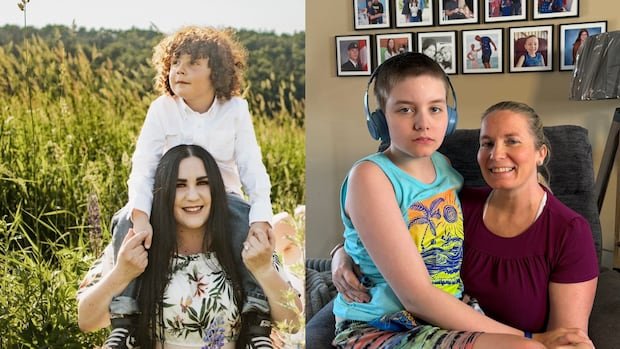


Chrystal Venator has implemented numerous security measures in her residence, including surveillance cameras, specialized door locks, and a doorbell that alerts her to any movement. These precautions are not intended to keep outsiders away but rather to prevent her son from wandering off. Stalen, her eleven-year-old autistic and non-verbal child, lacks a sense of safety and could potentially wander off unsupervised, placing himself in peril without warning. Venator stressed the urgency of the situation, highlighting how quickly a dangerous scenario can unfold with just a momentary lapse in attention.
The tragic fate of Parker Wells, a non-verbal autistic boy from Calgary, deeply affected Venator, underscoring the constant fear she lives with regarding her own son’s safety. In response to the incident, Venator joined the Indigo Alert Initiative, a nationwide campaign sparked by Parker’s demise, advocating for the establishment of a public emergency system similar to the Amber Alert but tailored for cases involving missing vulnerable individuals without abduction.
Venator and other concerned parents are pushing for the implementation of an Indigo Alert system, recognizing a significant gap in emergency response mechanisms for individuals with communication challenges, cognitive impairments, and various conditions like autism and Alzheimer’s. The initiative has garnered substantial support, with over 38,000 signatures on the petition and endorsements from political figures.
While the provincial government in New Brunswick maintains robust alert systems such as Amber Alert and Alert Ready, advocates like Jennifer Ball from Indigo Alert Canada emphasize the need for a dedicated alert specifically for missing vulnerable individuals. The initiative aims to bridge the existing gaps in emergency response and coordination, especially for individuals prone to wandering, like autistic children.
Studies have highlighted the heightened risks associated with wandering among autistic children, including a substantially increased risk of drowning. Despite the recognized dangers, there is a lack of comprehensive data on wandering incidents among vulnerable children in New Brunswick, emphasizing the need for improved tracking and alert systems to ensure prompt responses to such emergencies.
For Venator, utilizing a 24-hour tracking bracelet as part of Project Lifesaver has provided a sense of security, enabling quick location tracking in case of elopement. However, she acknowledges that wearable devices may not be suitable for everyone, particularly individuals with sensory sensitivities. Advocates stress the importance of public education alongside technological solutions to enhance community awareness and response capabilities.
Advocates like Jason Lai from the Autism Alliance of Canada emphasize the importance of community-led efforts in shaping federal policies that prioritize safety, inclusion, and public understanding for vulnerable groups. They urge increased engagement with policymakers to drive meaningful change and create a more protective framework for individuals with diverse needs.